Ancient Grain, Portland Roots: The Story of Three Sisters Nixtamal
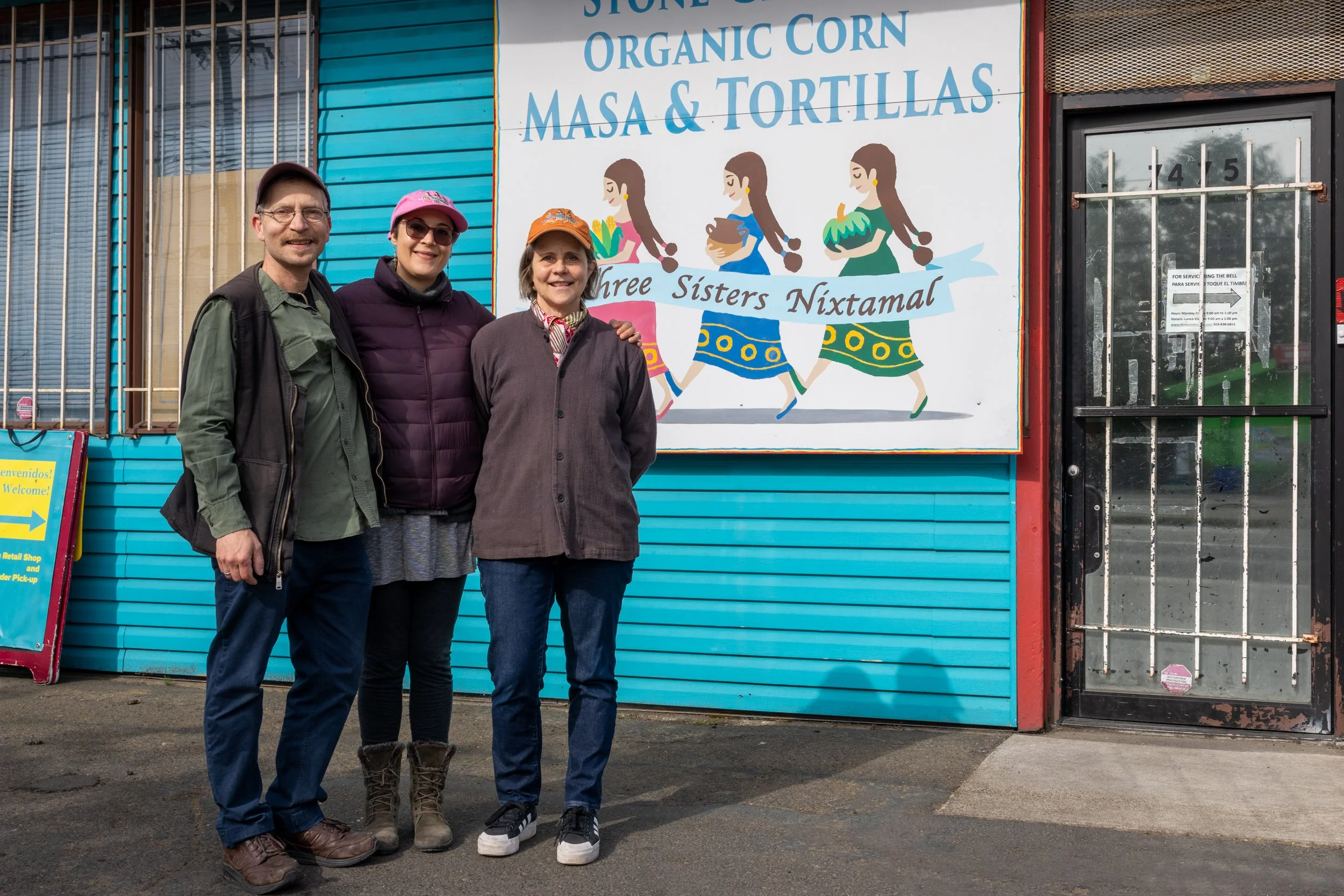
Seven thousand years ago, in the highlands of what is now Mexico and Guatemala, an extraordinary transformation was taking place. People were learning to process corn in a way that would feed civilizations, nourish communities, and eventually find its way to a production facility in Portland, Oregon. That's the thread Three Sisters Nixtamal has picked up — and they're not letting go of it.
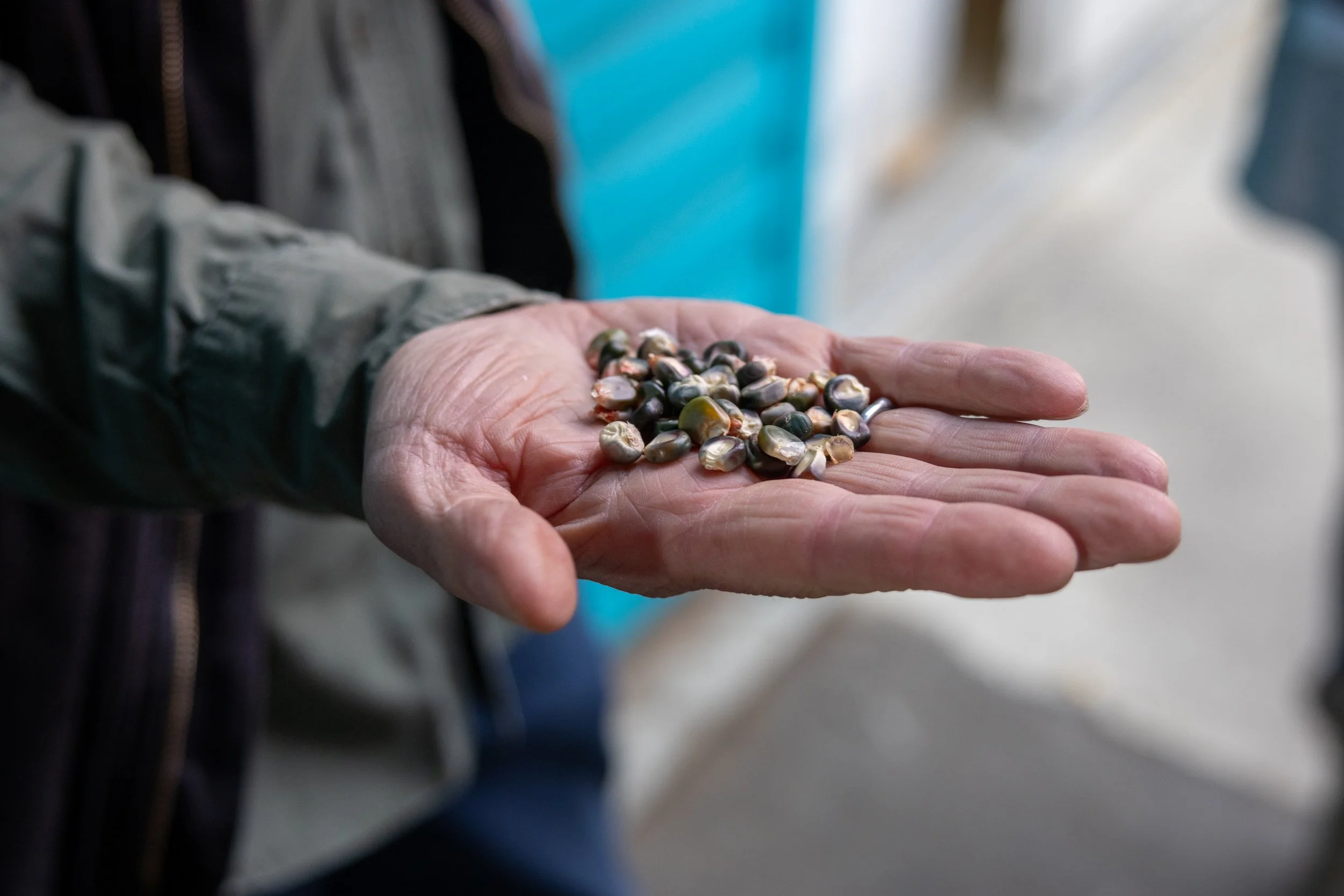
The name says it all, if you know what to listen for. Nixtamalization is the traditional process of treating dried corn with an alkaline solution to create hominy, which is then stone-ground into fresh masa. It's how corn tortillas have been made for millennia. It's how Three Sisters makes them today.
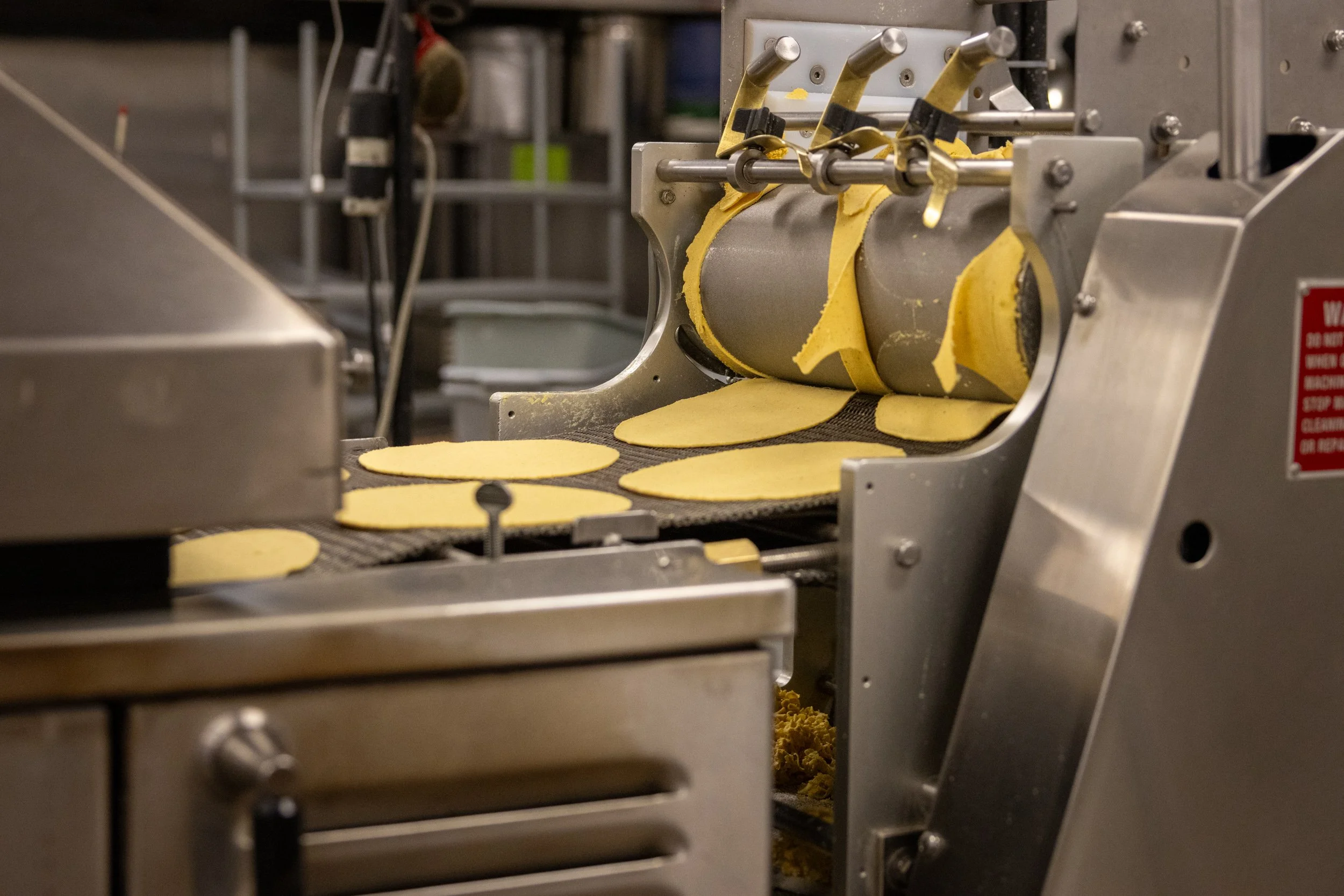
"Corn is the food of the Americas," says co-founder Pedro Ferbel-Azcárate. "This is one of the great inventions in our culinary history on planet Earth." Three Sisters sources organic and heirloom corn, processes it the traditional way, and produces 7,000 to 10,000 pounds of masa and tortillas every week — blue corn, yellow corn, and white corn — from their Portland facility.
What makes that worth noticing isn't just the scale. It's what they refuse to do. No chemical preservatives. No shortcuts. The tortillas are refrigerated — look for them in the cold section — and have about a two-week shelf life from the date they're made. That's not a limitation. That's the point.
"We are getting the corn and processing it the way that has been done for thousands of years," says co-founder Adriana Azcárate-Ferbel. In a food landscape full of heavily modified corn products, that's a genuinely radical act.
Three Sisters Nixtamal began the way a lot of meaningful things do: with a friendship and a need. Adriana and co-founder Wendy Downing met in prenatal yoga. Both were mothers stepping back into the workforce and finding the door harder to open than expected.
"So we created our own jobs," Adriana says simply.
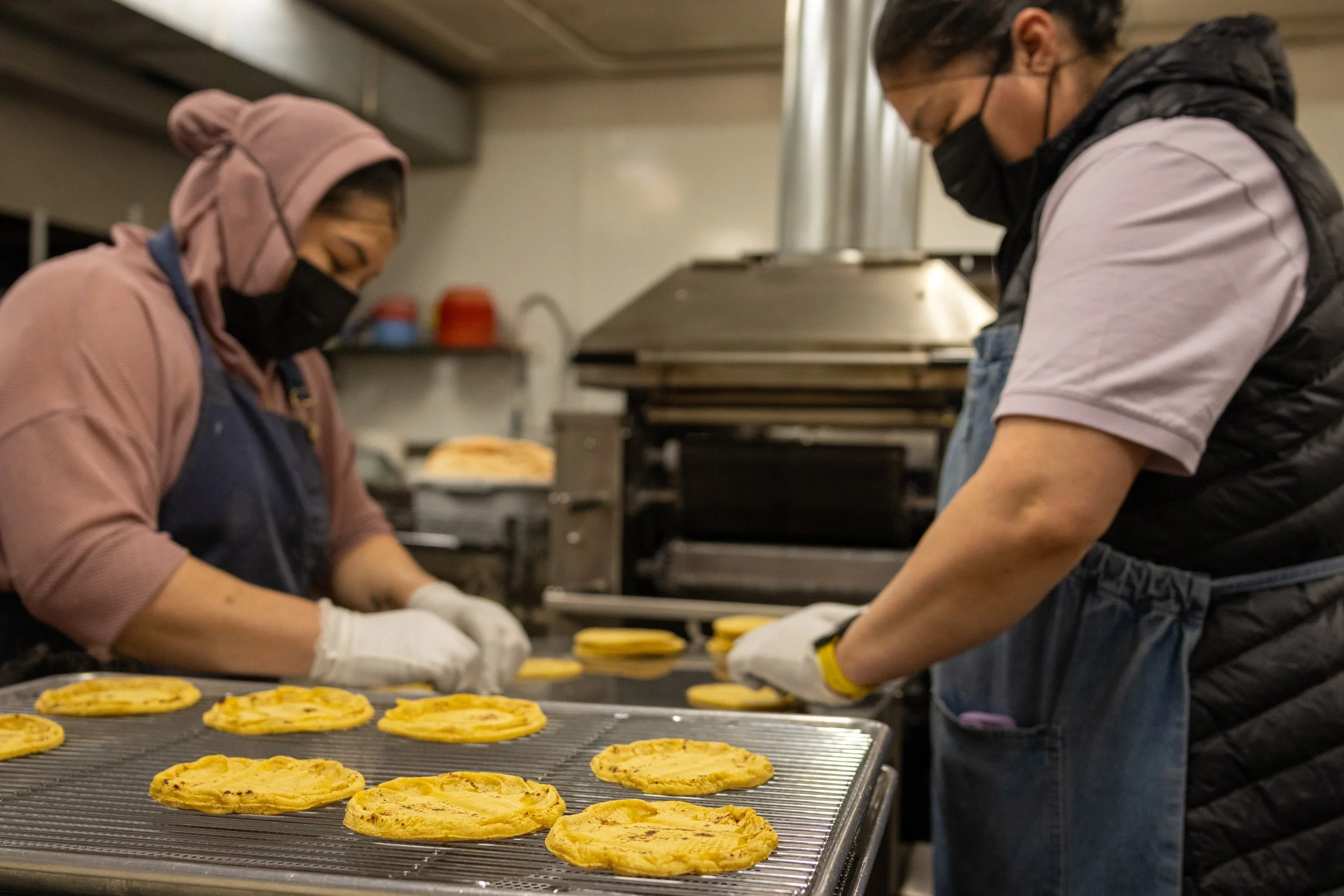
Many of the women who work at Three Sisters are mothers themselves, building schedules that let them work mornings and care for their families in the afternoons. It's a business model built around real lives — and it's been that way from day one.
The founders took the 12-week Get Your Recipe to Market class through the Small Business Development Center that covered everything from marketing to recipe development to business planning. They incorporated in 2011, started production at Kitchen Crew on Broadway in 2012, and by 2016 had purchased their own building and put down permanent roots.
Portland as the Right Place
When Wendy moved to Portland from the Bay Area in 2004, she found a city that already understood food — restaurants like Higgins and Paley's Place, a culture of culinary curiosity. But something else has made Portland an especially fitting home for Three Sisters.
"The number of Latinos that have moved here in the last 10 or 15 years is astronomical compared to what it used to be," Wendy notes. With that community has come a hunger — sometimes literally — for authentic flavors. People who walk into Three Sisters and find something they thought they'd lost.
"My grandmother used to make this," customers tell them. "I haven't had this in so long."
That reconnection is one of the most meaningful parts of what Three Sisters does. For Portland's Latinx community, these tortillas aren't just a product. They're a homecoming.
Pedro is clear-eyed about what Portland offers for a business like theirs. "Portland is a place of creativity and opportunity. It is such a culinary hotspot." And while corn has no indigenous roots in the Pacific Northwest — the first foods here are salmon, wapato, and camas — Three Sisters is working with corn breeders at Oregon State University and local farmers to develop varieties that can actually grow in this bioregion. The tradition is ancient; the adaptation is ongoing.
From Farmers Markets to Yellowstone
Three Sisters tortillas are distributed across New Seasons stores statewide, most Oregon and Washington co-ops, select Market of Choice and Whole Foods locations, and through distribution channels reaching as far as Montana. Seasonally, they're at the farmers market from spring through Thanksgiving. Restaurants account for about a third of their business, with customers ranging from local Portland food trucks to Little Conejo in Vancouver.
And then there's the detail that stops people mid-sentence: their tortillas are served in Yellowstone National Park.
A mural on the building captures the spirit of the whole operation. Designed when he was just 12 years old by the son of one of their co-workers and painted by Latino muralist Chris Barrios, it depicts Quetzalcoatl — the feathered serpent central to Aztec culture — eating corn and processing it with lava stones in his belly. It's a striking image: ancient mythology meeting a working Portland production facility.
Growing Without Losing the Thread
Three Sisters is thinking carefully about what comes next. With support from Prosper Portland and the Oregon Manufacturing Extension Partnership, they're working on bringing more efficiency to their operations — finding ways to grow, or at minimum sustain, without forcing price increases onto the community they serve.
The bigger questions are ones they're sitting with intentionally. What does the facility's future look like? How do they build something that outlasts the three founders? Pedro points to Bob's Red Mill as an inspiration, and the cooperative model as a north star — a structure where the workers who make the business real are genuine stakeholders in its success.
In the meantime, they're showing up for Portland in the most concrete ways possible. Library programs teaching tortilla and gordita making. Garden programs at two elementary schools, running three years strong. Partnerships with Centro Cultural and the Farm Workers Alliance. Altogether, a couple hundred pounds of tortillas a week given out in the community.
When someone once suggested they should move to Texas to cut labor costs, the response was immediate. "That's not what we're here for," Wendy says. "We need to support our employees."
Corn, Community, and Something Worth Preserving
Seven thousand years of food tradition. A Portland facility making thousands of pounds of masa a week. Mothers supporting mothers. A community fed, in every sense of the word.
Three Sisters Nixtamal is doing something rare: honoring the past with total sincerity while building something genuinely new in the place they've chosen to call home.
The corn has arrived in the Pacific Northwest. And it's in good hands.
Three Sisters Nixtamal tortillas are available at New Seasons, co-ops, and select retailers across Oregon and Washington, as well as online for local pickup. Find them in the refrigerated section.
More Portland food & beverage success stories